
The debate over the number of votes needed to convict Vice President Sara Duterte in her impeachment trial continues to draw attention at the Senate.
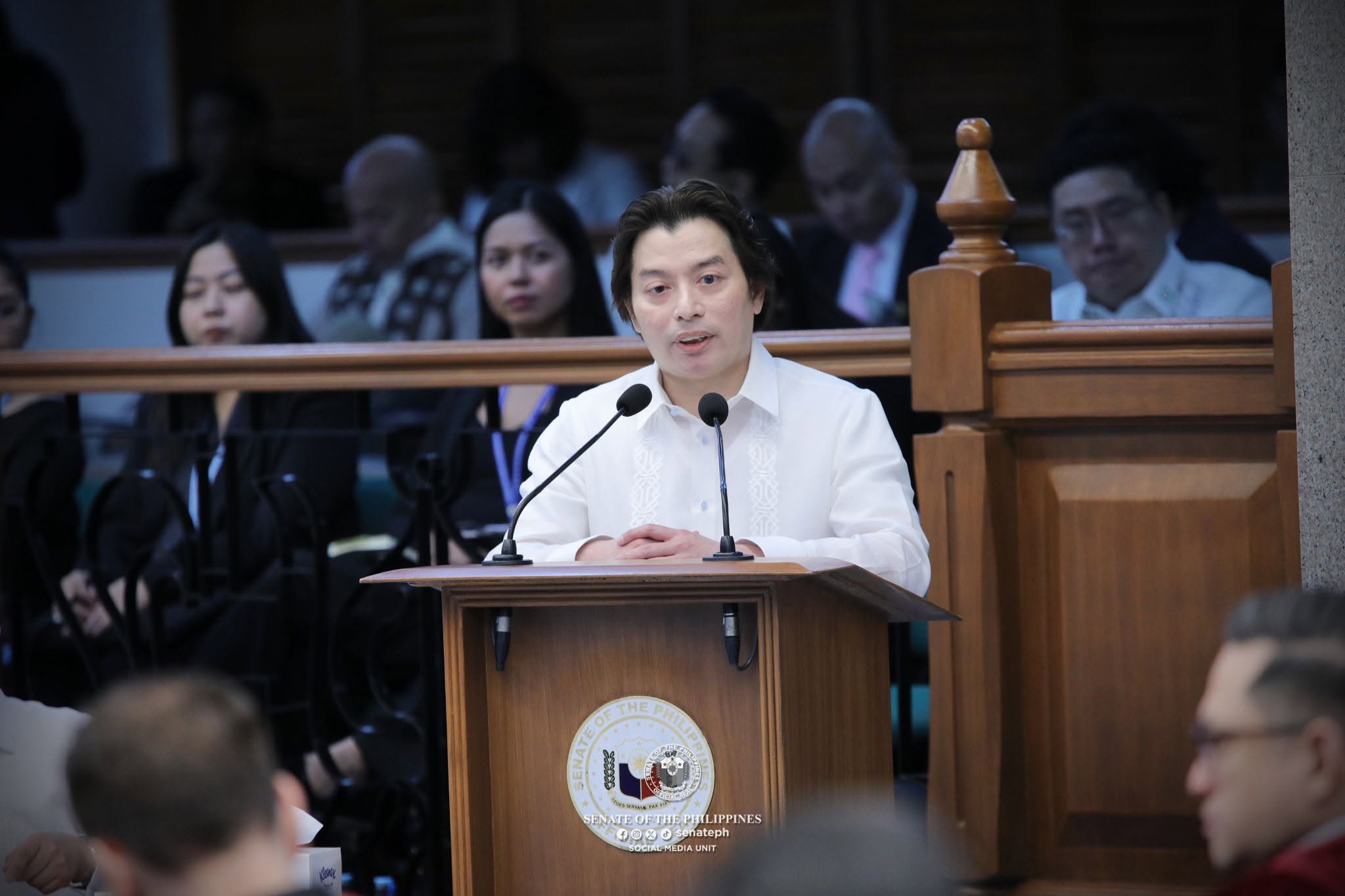
Defense counsel Michael Poa has argued that the 16-vote requirement for conviction should remain, saying the Constitution must be followed as written.
Poa’s position is based on the constitutional provision requiring the concurrence of two-thirds of all members of the Senate for an impeachment conviction. The issue has been brought back for discussion after questions were raised about whether senators who are absent, detained, or unable to participate should be included when calculating the required votes.
Poa: The Constitution Should Be Applied as Written
During his argument, Poa cited Supreme Court rulings and emphasized the principle that when the law is clear, it should be applied rather than repeatedly reinterpreted.
He also pointed out that no objection was raised when Presiding Officer Francis Escudero previously ruled that 16 votes were needed to convict.
For Poa, reopening that ruling could create a situation where previous decisions made during the impeachment proceedings could also be repeatedly challenged.
He questioned whether rulings involving subpoenas, bank records, and objections raised during the trial could also be reopened if the Senate adopts a practice of continuously revisiting previous rulings.
What Does “All Members of the Senate” Mean?
One of the main issues in the dispute is the meaning of the constitutional phrase “all the members of the Senate.”
Poa argued that the phrase refers to the Senate’s full membership rather than only senators who are physically present or participating in the proceedings.
He also argued that the absence, non-participation, or detention of a senator does not automatically mean that the Senate seat has become vacant.
This interpretation is important because the Senate currently has 24 members, but several senators have been unable to participate fully in the impeachment proceedings. The debate is whether the two-thirds requirement should still be based on all 24 senators or only those legally able to participate.
Poa Points to the Renato Corona Impeachment Trial
Poa also referred to the impeachment trial of former Chief Justice Renato Corona.
He noted that the Senate had 23 members at that time following the election of then-Senator Benigno “Noynoy” Aquino III as president.
Poa questioned why the voting threshold is being reconsidered in Vice President Duterte’s case when a similar question was not raised during the Corona impeachment trial.
His argument is that past impeachment proceedings should also be considered when interpreting how the constitutional voting requirement should work.
Defense Says Avelino v. Cuenco Is Different
Poa also argued that Avelino v. Cuenco should not be used as the basis for changing the impeachment conviction threshold.
According to his argument, the Supreme Court case involved questions about legislative quorum, rather than the specific constitutional requirement for conviction in an impeachment trial.
The distinction matters because the current dispute is specifically about the constitutional requirement that two-thirds of all Senate members must concur in an impeachment conviction.
Due Process Is Also Part of the Debate
Poa warned that changing the voting threshold could also raise questions about the constitutional right to due process.
For the defense, the impeachment process must follow the rules and constitutional protections that apply to the respondent.
The two-thirds requirement, according to Poa, acts as a constitutional safeguard. His argument is that removing an impeached official should require more than simply having a majority of senators support the conviction.
He emphasized that political circumstances can change, but constitutional rules should remain stable.
“Circumstances change, political alliances shift, majorities come and go. But at the end of the day, the Constitution must remain.”
The 16-Vote Issue Is Still Being Debated
The Senate impeachment court has continued to hear legal arguments about the voting threshold.
Retired Supreme Court justices and other legal experts have been invited as amici curiae, or “friends of the court,” to provide their views on the constitutional question. Recent reporting said that three of the four legal experts who appeared on September 16 took the position that the Senate impeachment court could revisit the 16-vote threshold, although their legal reasoning was not identical.
The defense has also indicated that a possible Supreme Court challenge remains an option depending on how the Senate impeachment court ultimately rules.
The issue is separate from the question of whether Vice President Sara Duterte will ultimately be convicted or acquitted. The immediate question is how many votes are constitutionally required for a conviction.
As the debate continues, the central question remains: Should the 16-vote requirement be maintained based on the full 24-member Senate, or should the threshold be recalculated based on the senators who are currently able to participate?
For Michael Poa and the Duterte defense team, the answer should come from the Constitution and its existing rules.
Keywords: Michael Poa, Sara Duterte impeachment, Sara Duterte impeachment trial, 16 votes impeachment, Senate impeachment trial Philippines, impeachment voting threshold, Philippine Constitution, two-thirds Senate vote, Sara Duterte 16 votes, Michael Poa statement, Senate impeachment court